
Overclock Labs

The Overclock
Story

We started Overclock to make compute abundant enough that access stops limiting possibility.

Since 2015, that conviction has shaped what we build: the orchestration layer, the matching engine, and the auction mechanics behind Akash, an open marketplace for computing power.

2014–2015

Infrastructure First

In 2014, Kubernetes changed how software could be deployed. It was not yet ready to run globally, or to survive failure at scale. Greg Osuri and Adam Bozanich founded Overclock Labs in 2015 to close that gap and make Kubernetes production-ready at internet scale. Everything that became Akash started here.

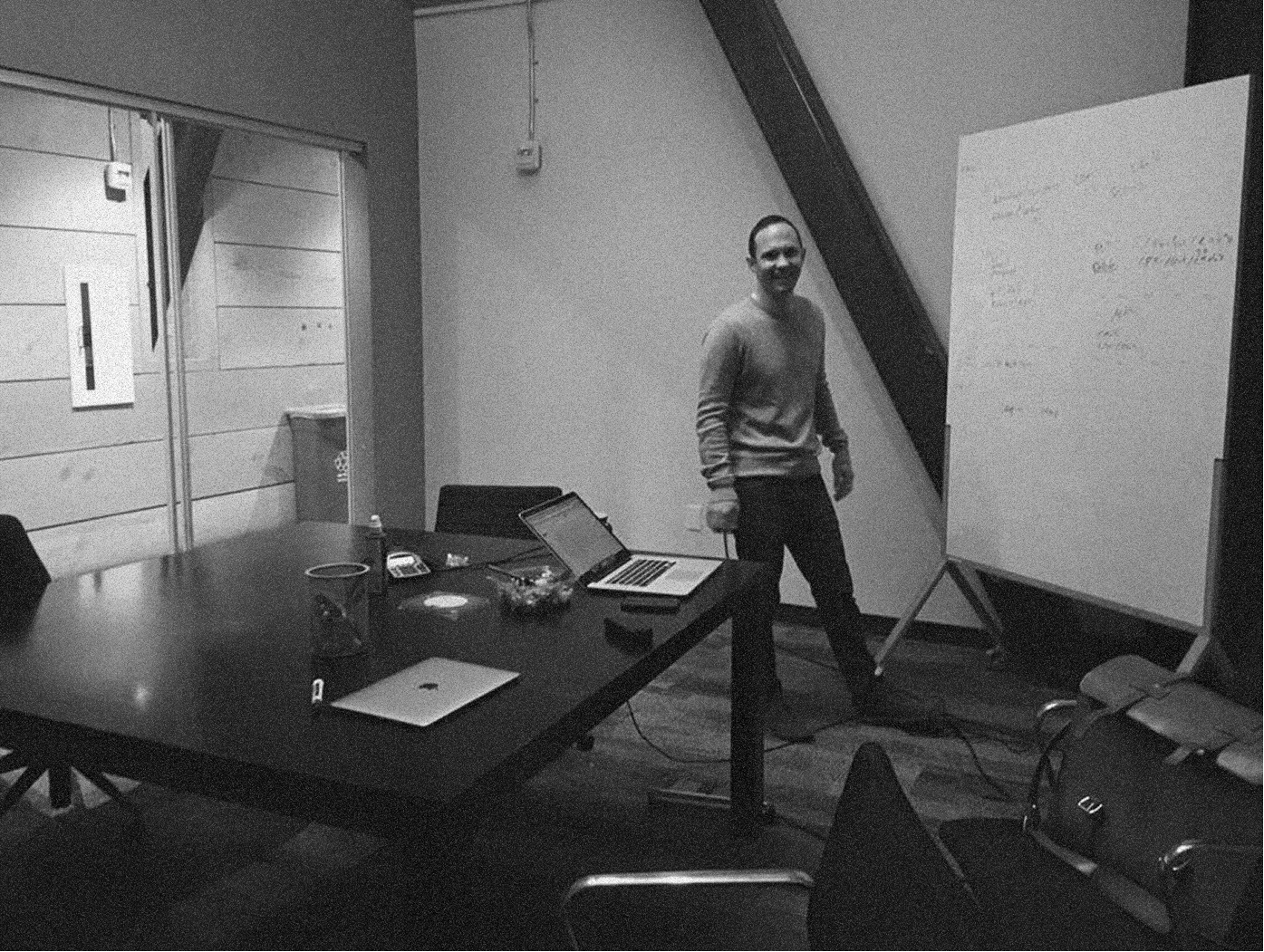
Greg Osuri standing beside a whiteboard in the early Overclock Labs office
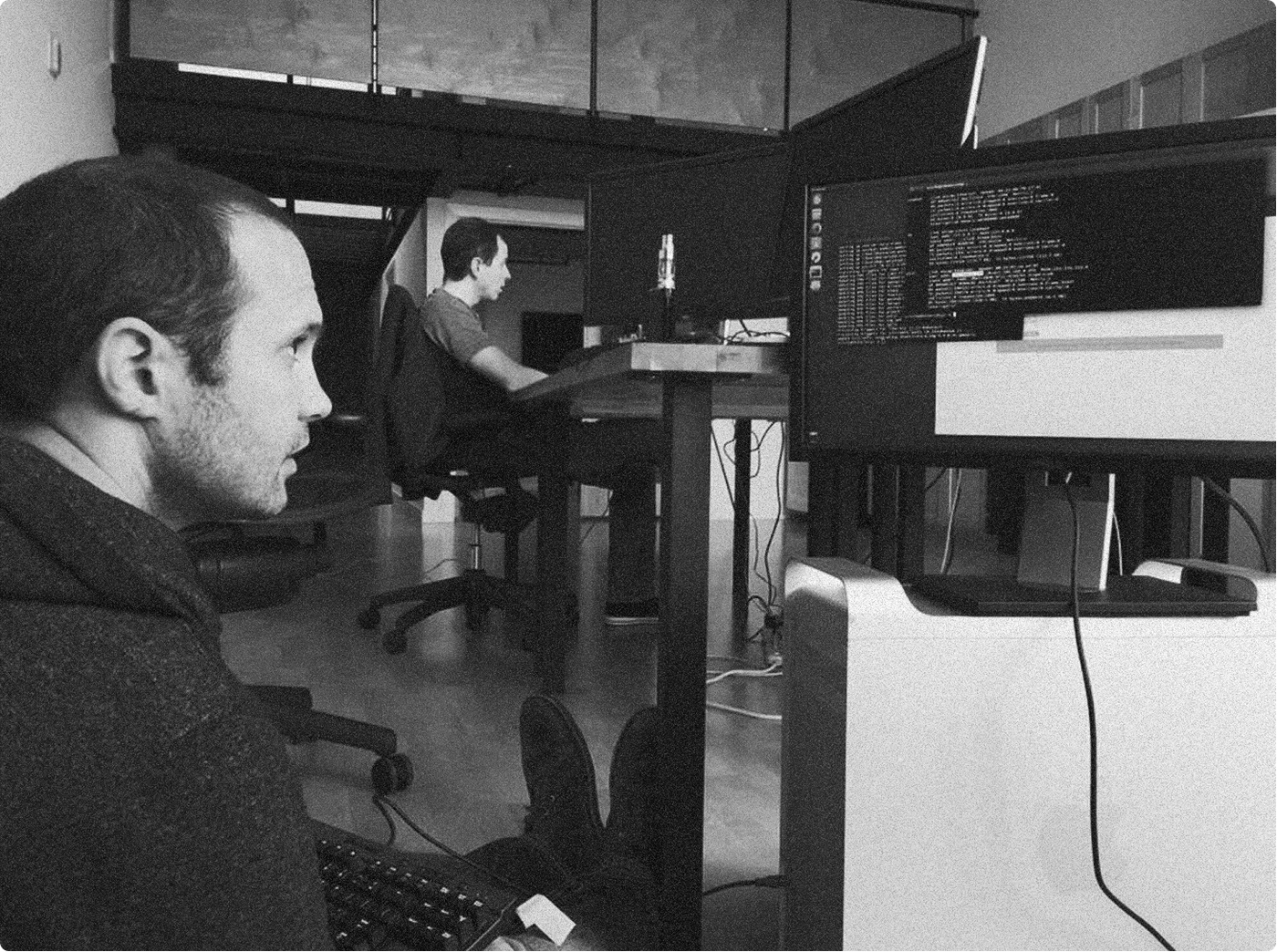
An early Overclock Labs team member at a desk with code on screen

Adam and I founded Overclock Labs, the organization that gave birth to Akash, in 2015 when it became obvious that so much power should not be held by the few — cloud computing infrastructure needed to be democratized.

Greg Osuri

Co-founder and CEO, Overclock Labs

2015–2017

The Code Behind the Cloud

Overclock built global Kubernetes clusters: federated deployments, fault-tolerant orchestration across continents, multi-region failover, and cross-cluster scheduling. These became the primitives a marketplace for compute would later need. We wrote the first lines of Akash code in this period. Our open-source work went into production at NVIDIA, AWS, IBM, HashiCorp, and Docker, so other teams could build on it. Code written in this period is still running.

  • IBM
  • HubSpot
  • Microsoft
  • NVIDIA
  • AWS
  • HashiCorp
  • Alibaba
  • Upwork
  • Red Hat
  • Department of Defense
  • Kubernetes
  • DigitalOcean
  • Dell
  • Siemens
  • Docker

GitHub trending developers · 2016

  1. 1docker (Docker)docker
  2. 2nanopackyoke
  3. 3google (Google)cayley
  4. 4gosuri (Greg Osuri)uiprogress
  5. 5mozilla (Mozilla)mig
  6. 6golang (Go)go
In 2016, Greg’s uiprogress library put him on GitHub’s trending developers: fourth in Go, thirteenth across all languages.
The Overclock Labs team working together on laptops
2016–2018

Why We Chose Decentralization

As our clusters grew, the central control plane became the limit. When it failed, everything failed with it, and it held back performance, reliability, and growth at the same time. We concluded that compute would scale globally only if it could grow through many independent participants instead of one operator. A blockchain gave us a way to coordinate a network like that, so we built on one.

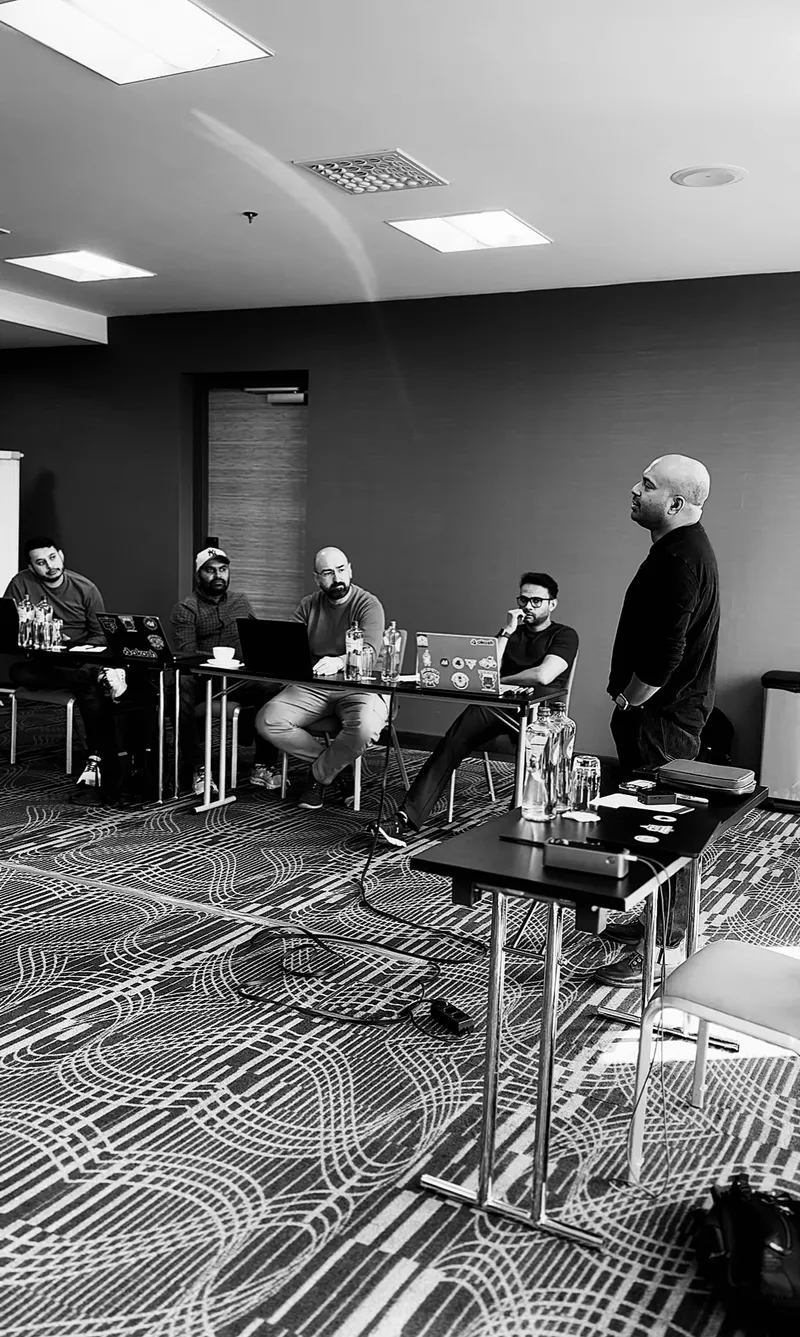
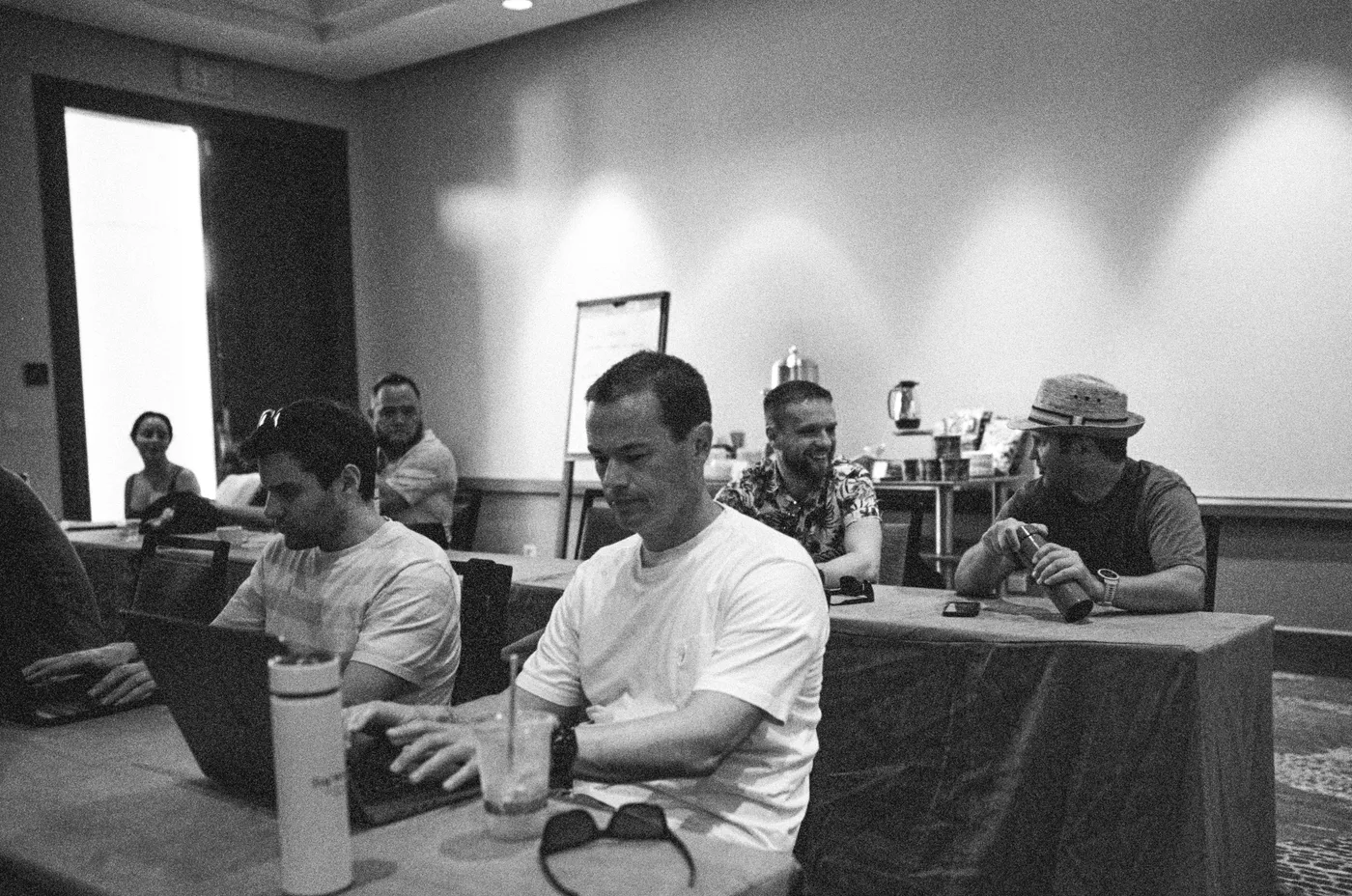
The team gathered in a meeting room, listening to one member speak
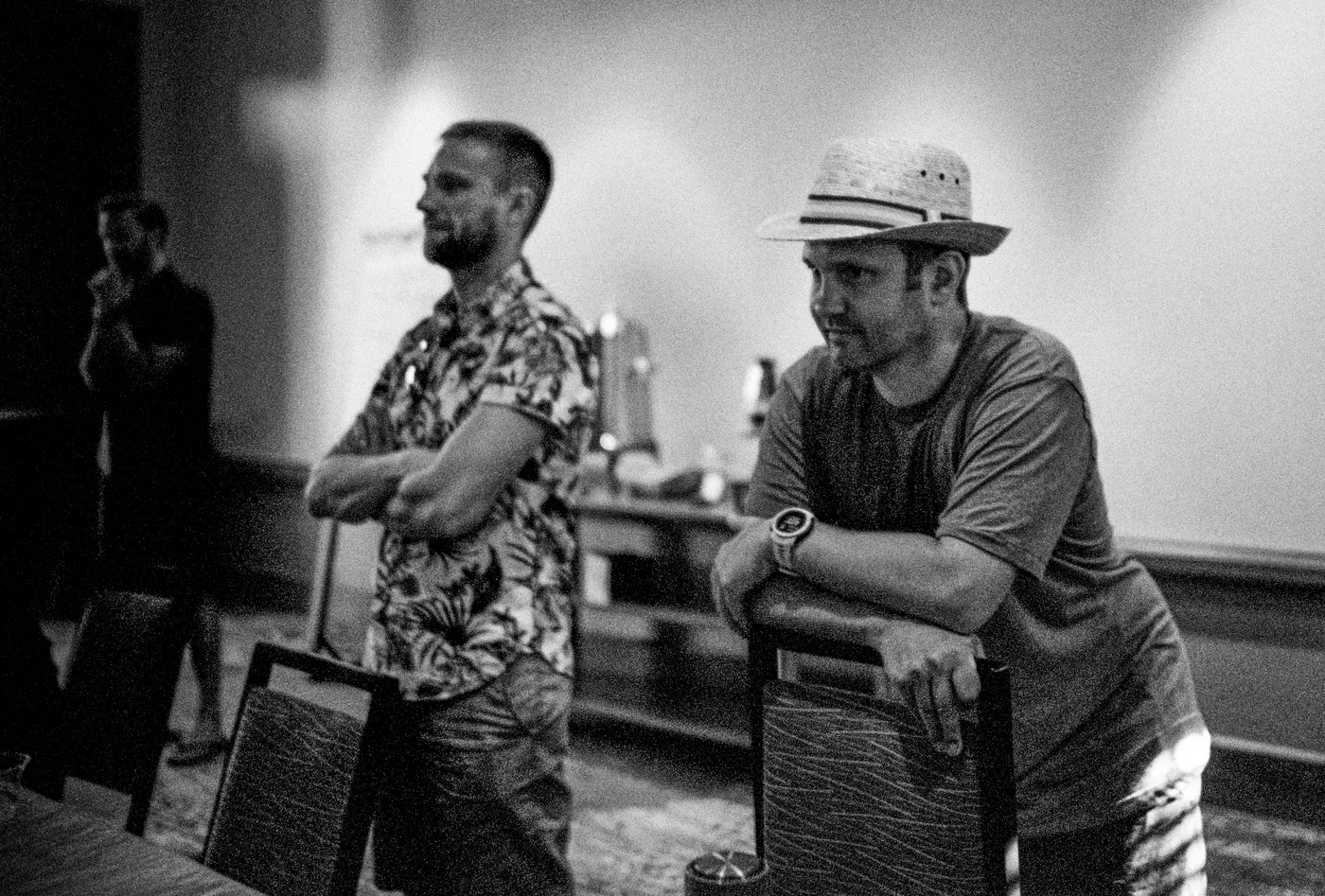
Two team members leaning on chairs, listening
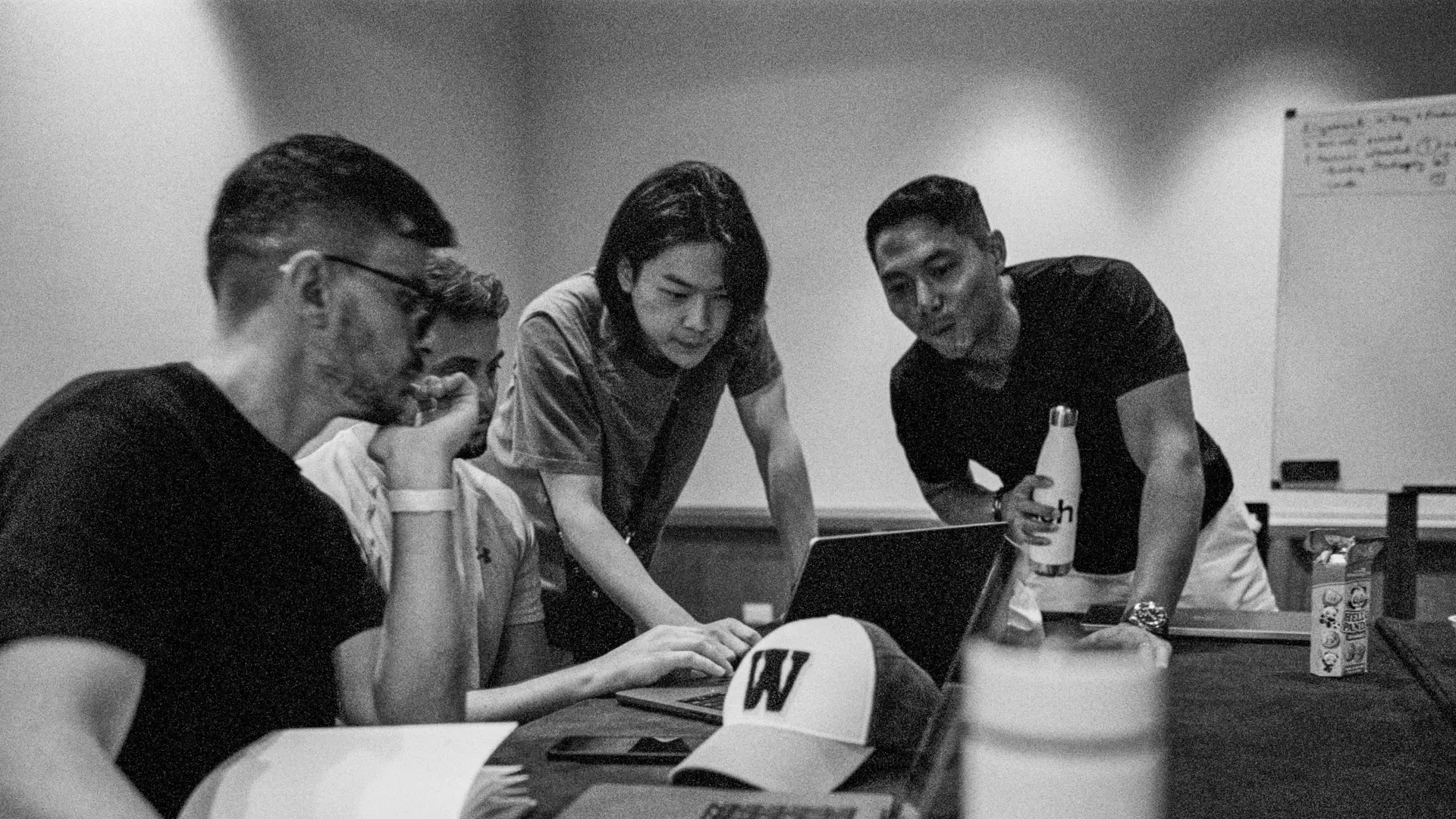
Team members at laptops around a meeting-room table
2018

The Supercloud

In 2018, Overclock published the Akash whitepaper and gave the model a name. The Supercloud. Control and resources, fully decoupled. Any cloud-capable hardware can supply compute while a protocol-level control plane handles pricing, scheduling, and access globally. The same paper named machine learning as the primary use case.

2018–2020

A Network Owned
by Its Users

The team started on Ethereum and hit its scaling limits. The design needed a sovereign chain built for the purpose, and Cosmos offered one. To bootstrap a real community rather than a speculative one, incentivized testnets distributed AKT to the validators and developers who actually ran the network. Those early validators became users, operators, and long-term stakeholders. It was the beginning of a cloud its own users would own.

On Akash, anyone with a computer can become a cloud provider by offering their unused compute cycles in a safe and frictionless marketplace.

Greg Osuri

Co-founder and CEO, Overclock Labs

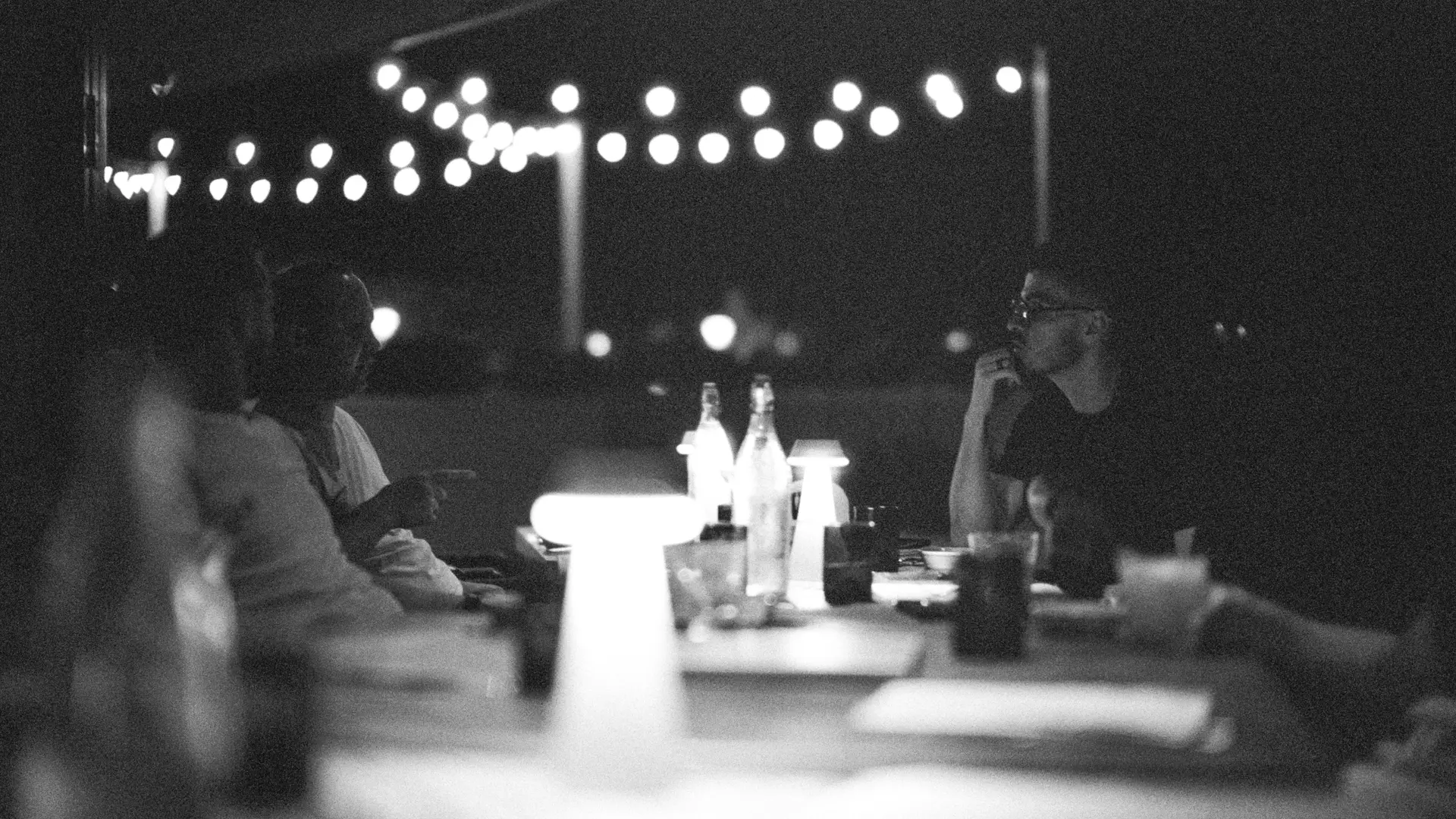
The team talking at a long table outdoors at night, under string lights
2020

Akash Mainnet Launched

Akash went live as a general-purpose cloud, not a specialized one: production Docker containers and everyday workloads, running on a network with no single operator. Developers could deploy to a cloud that no one company controlled.

As open source developers, my cofounder Adam Bozanich and I wanted to create an alternative to the pricing inefficiency, inflexibility, and anti-competitive practices of centralized cloud services providers.

Greg Osuri

Co-founder and CEO, Overclock Labs

2020–2022

Built for Real Workloads

Persistent storage and IP-based service discovery gave applications what they need to run.

Storage made databases possible, and service discovery made networking possible. Applications stopped being demos and ran as production systems, on the same architecture the 2018 whitepaper set out.

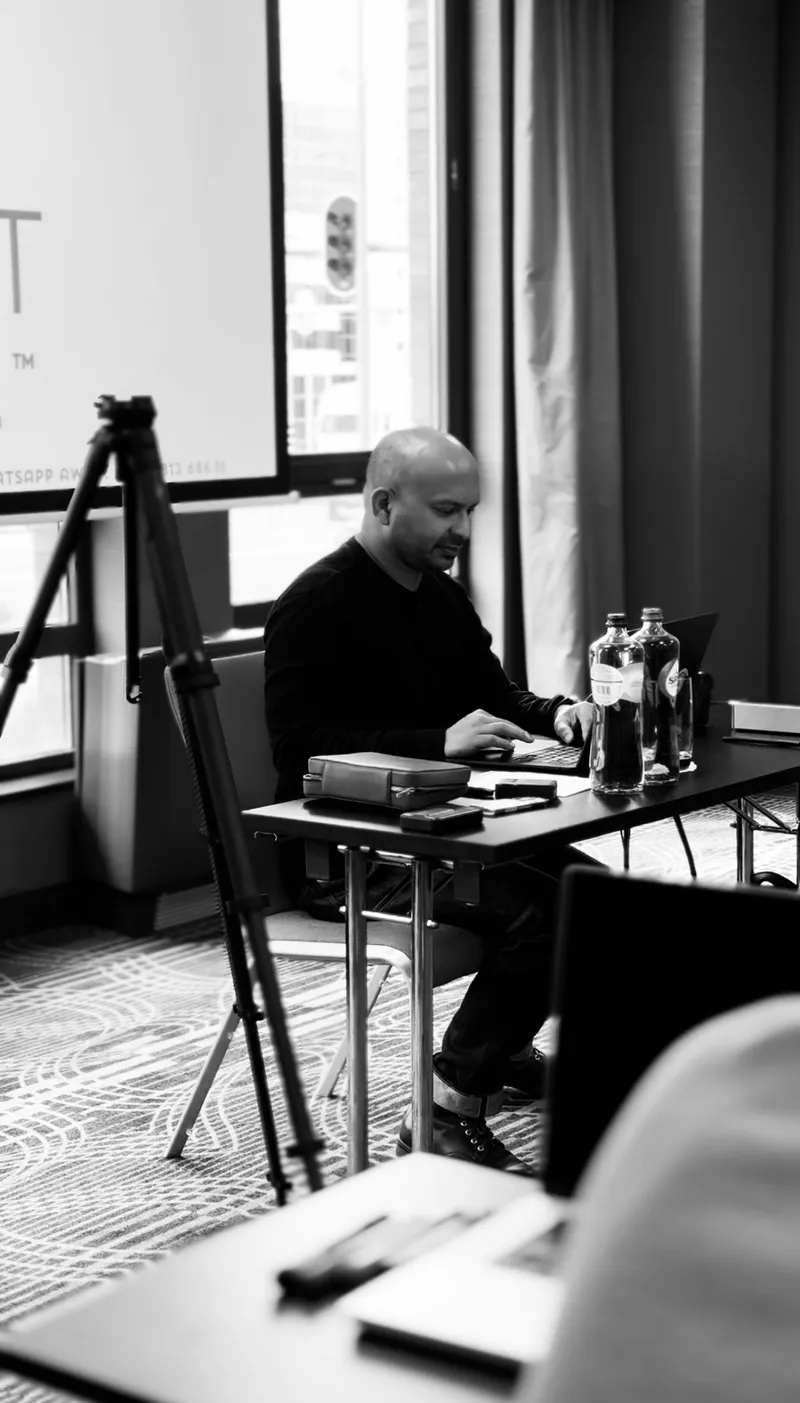
A team member writing in a notebook at a team meeting
A team member working on a laptop at a meeting-room table
2022–2023

Open Code,
Open Process

Open source stopped meaning just the code.

The roadmap, the meetings, the funding decisions, the disagreements. All of it public, recorded, and searchable by anyone. Contributors grew from a few dozen to more than 500 worldwide, funded by a community model that did not depend on a single balance sheet.

The source code developed by Overclock Labs has been open since inception, and now we are taking the next step of opening up the process that produces it.

Greg Osuri

Co-founder and CEO, Overclock Labs
2023

On-Demand GPUs for AI

In 2023, Overclock brought GPUs to Akash, for the AI work the 2018 whitepaper had planned for.

Researchers, startups, and labs could rent NVIDIA GPUs on demand, without a long-term contract or a procurement process. At a time when GPUs were hard to get, the network gave more people a way in.

In 2023, we introduced accelerated computing (GPUs) to enable AI use cases, marking another first in history where GPUs can be accessible on a non-custodial cloud.

Greg Osuri

Co-founder and CEO, Overclock Labs
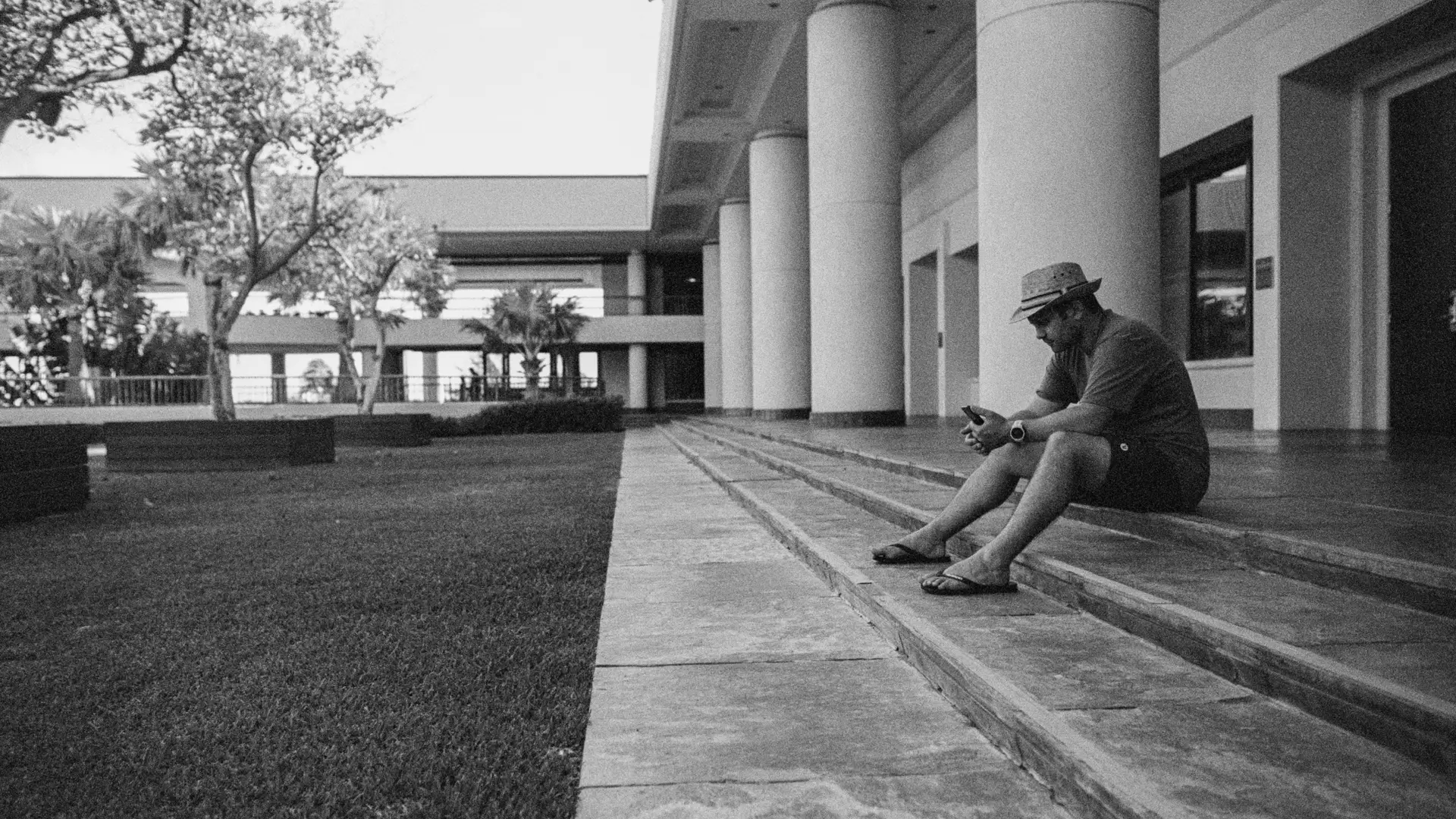
A team member sitting on the steps outside a building, looking at his phone
2024–2025

Resources Become Services

The goal moved from renting capacity to running the whole workload.

Work on the user experience made Akash easier to use, and more people used it. The roadmap moved up the stack, from supplying resources to running complete workloads. Next are autonomous agents: software that acts on people’s behalf and needs compute it can use on its own, with clear limits on what it can do and spend.

“With generative AI, we see AI being helpful in making us smarter. With AI agents, AI will make us much faster. There is little doubt that AI agents are the future of applications.”

2023–Present

Adoption at Scale

Developers and teams have opened more than 640,000 leases on Akash, each a workload placed with a provider. Anyone can check that figure on-chain.

2026

Open Models Need Somewhere to Run

Training still needs large, concentrated clusters. Inference doesn’t: an open model can run wherever a suitable GPU is available, so people no longer have to wait on one provider’s hardware. AkashML is our inference service on Akash. It runs open models on capacity we source across the network, and it earns by making that compute easy to use.

We helped build an open market for compute. Now we build the services that make it useful.

See what we’re building

Built Akash.
Still building on top of it.

Greg Osuri
Co-founder and CEO
Cheng Wang
Co-founder, COO and CFO
Artur Troian
Chief Architect